

Risk management
How geopolitical risk impacts forex trading and currency markets
Geopolitical risk shapes forex trading by influencing exchange rates, currency pairs, and market sentiment through events such as elections, conflict, and trade agreements. Read more.
Geopolitical risk refers to political, economic, or government‑related events that can influence financial markets, particularly currency markets and foreign exchange rates across regions. In forex trading, geopolitical risk plays an important role in shaping exchange rates, currency pairs, and overall market sentiment in global markets.
In 2026, geopolitical risk extends beyond conflict or political instability alone. Events such as elections, changes in trade agreements, government policy shifts, or tensions between nations can lead to heightened volatility in currency markets during periods of uncertainty. Because of this, it is important for traders to understand what geopolitical risk is, how it works, and how it can affect trading decisions in both the short term and the long term.
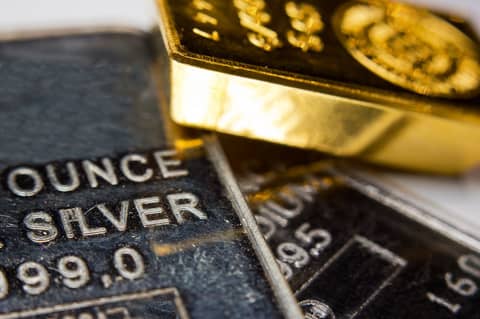
Source: Magnific
Geopolitical risk in forex trading and foreign exchange markets
In the current foreign exchange environment, geopolitical risks influence markets and currencies through multiple channels at the same time. Political unrest, conflicts, or changes in international trade agreements can affect economic growth expectations, interest‑rate outlooks, and investor sentiment across global markets.
As a result, geopolitical events rarely affect a single currency in isolation. Instead, they often generate volatility across multiple currency pairs as market participants adjust positions in response to changing global conditions. Geopolitical risk can influence both developed and emerging economies, making it a key consideration within the broader forex market.
What are geopolitical events and risks in forex trading?
Geopolitical events are developments driven by political or government actions that can affect currency markets and exchange rates.
Events such as elections, conflicts, political instability, sanctions, or changes to trade agreements can all contribute to geopolitical risk in financial markets. Shifts in government leadership, policy direction, or international negotiations may lead to currency volatility linked to affected economies. Prolonged political uncertainty can also weigh on a currency over time.
For this reason, traders often monitor geopolitical developments closely to better understand how events such as elections or trade negotiations may influence forex markets.
How geopolitical events impact currency markets and exchange rates
Geopolitical events affect exchange rates by shaping global economic expectations, interest‑rate assumptions, and market sentiment.
In modern currency markets, uncertainty surrounding major geopolitical developments can lead to sudden price movements. When geopolitical risk increases, market participants may reassess exposure across regions, driving capital flows between currencies in global foreign exchange markets. This process can create sharp short‑term volatility while also influencing longer‑term currency trends.
How geopolitical events can influence currency pairs
Geopolitical developments can influence currency pairs by altering perceptions of relative economic strength between economies.
For example, events tied to fiscal policy, energy markets, or international trade relationships can affect a major currency and, in turn, drive volatility across a range of currency pairs. These shifts can lead to rapid price movements as traders respond to new information in real time.
Trade disruptions, events, supply chains, and their effect on currency movements
Disruptions to global trade and supply chains can have a meaningful impact on currency markets. Changes to trade agreements, geopolitical tensions, or restrictions on international commerce can alter trade flows and influence exchange rates.
Trade disruptions may also affect inflation expectations and interest‑rate outlooks, both of which are important drivers in foreign exchange markets. As a result, supply‑chain developments and trade‑related events can influence currency movements in both the short term and the long term.
Central banks, geopolitical events, and exchange rates in foreign exchange markets
Central banks play an important role in shaping how geopolitical events influence exchange rates. During periods of heightened geopolitical risk, policymakers may adjust interest rates, modify policy guidance, or respond to increased economic uncertainty.
However, central‑bank responses are not always aligned across regions. Differences in policy direction can contribute to currency volatility, particularly when markets compare interest‑rate expectations between economies. These dynamics can influence currency pairs over varying time horizons.
Examples of geopolitical events and their impact on currency markets
Different geopolitical events can affect currency markets in different ways, depending on their scale, duration, and economic impact.
Global crises, events, and volatility in currency movements
Major geopolitical events such as conflicts or widespread political instability often lead to increased currency volatility. During periods of uncertainty, market participants may shift toward currencies perceived as safe havens within the global financial system.
Trade policy events and currency pairs in global foreign exchange markets
Trade‑policy developments, including changes to trade agreements or tariffs, can influence foreign exchange markets by altering economic growth expectations. These events may lead to adjustments in currency pairs that are closely linked to global trade and international economic activity.
Geopolitical risk, currency movements, and forex trading strategies for traders
For traders, geopolitical risk can present both opportunity and risk. While some traders seek to take advantage of increased volatility, others prioritize managing exposure during periods of heightened uncertainty.
Safe‑haven behavior during geopolitical events in currency markets
During times of geopolitical risk, market participants may favor currencies perceived as more stable. However, safe‑haven behavior is not guaranteed and can vary depending on interest‑rate conditions, broader market sentiment, and the nature of the geopolitical event.
Managing exchange‑rate risk when events drive forex volatility
When geopolitical developments increase volatility, effective risk management becomes especially important. Traders may use risk‑management approaches such as position sizing, diversification, or predefined exit levels to help manage potential downside risk.
Monitoring geopolitical developments alongside fundamental and technical analysis can help traders navigate periods of elevated uncertainty in currency markets.
Emerging geopolitical risk events and currency movements in global markets
Emerging geopolitical risks continue to shape global financial markets. Changes in government policies, international relationships, or economic alliances can gradually influence currency trends over time.
Structural shifts in the global financial system may also affect how geopolitical risk is transmitted through the forex market. Overall, geopolitical risk remains a key factor influencing forex trading and currency markets. Events such as elections, conflicts, political instability, or changes to trade agreements can all affect exchange rates.
For traders, particularly those newer to the markets, understanding how geopolitical risk interacts with foreign exchange dynamics is an important part of navigating volatility. Staying informed, managing risk, and considering both short‑term and long‑term effects can help traders respond more effectively during periods of geopolitical uncertainty.
Share this:
Latest market news




It’s easy to get started
Apply online in minutes with our simple and secure application form.
Go to our Trading Academy
Choose one of our four market-leading educational courses.
Economic calendar
FAQs
Related guides
How geopolitical risk impacts forex trading and currency markets
Risk management
|
5 minutes read
Geopolitical risk shapes forex trading by influencing exchange rates, currency pairs, and market sentiment through events such as elections, conflict, and trade agreements. Read more.

Stock market volatility: how to calculate the beta of a stock
Risk management
|
5 minutes read
Stock market volatility is measured using a measurement known as beta. It’s a useful metric for both traders and investors looking to make decisions about the risk and reward of a company’s shares. Find out what a stock’s beta is and how to calculate beta.
Standard deviation explained: trading with standard deviation
Risk management
|
5 minutes read
Standard deviation measures how volatile a set of data points are compared to the average mean. Learn how to use standard deviation to measure volatility while trading markets like forex, stocks, and indices.
The information on this website is not targeted at the general public of any particular country. It is not intended for distribution to residents in any country where such distribution or use would contravene any local law or regulatory requirement. The information and opinions in this report are for general information use only and are not intended as an offer or solicitation with respect to the purchase or sale of any currency or CFD contract. All opinions and information contained in this report are subject to change without notice. This report has been prepared without regard to the specific investment objectives, financial situation and needs of any particular recipient. Any references to historical price movements or levels is informational based on our analysis and we do not represent or warranty that any such movements or levels are likely to reoccur in the future. While the information contained herein was obtained from sources believed to be reliable, author does not guarantee its accuracy or completeness, nor does author assume any liability for any direct, indirect or consequential loss that may result from the reliance by any person upon any such information or opinions.
Futures, Options on Futures, Foreign Exchange and other leveraged products involves significant risk of loss and is not suitable for all investors. Losses can exceed your deposits. Increasing leverage increases risk. Spot Gold and Silver contracts are not subject to regulation under the U.S. Commodity Exchange Act. Contracts for Difference (CFDs) are not available for US residents. Before deciding to trade forex, commodity futures, or digital assets, you should carefully consider your financial objectives, level of experience and risk appetite. Any opinions, news, research, analyses, prices or other information contained herein is intended as general information about the subject matter covered and is provided with the understanding that we do not provide any investment, legal, or tax advice. You should consult with appropriate counsel or other advisors on all investment, legal, or tax matters. References to FOREX.com or GAIN Capital refer to StoneX Group Inc. and its subsidiaries. Please read Characteristics and Risks of Standardized Options.